To schedule an appointment call: 1 (800) 605-0031
Follow Us :


To schedule an appointment call: 1 (800) 605-0031
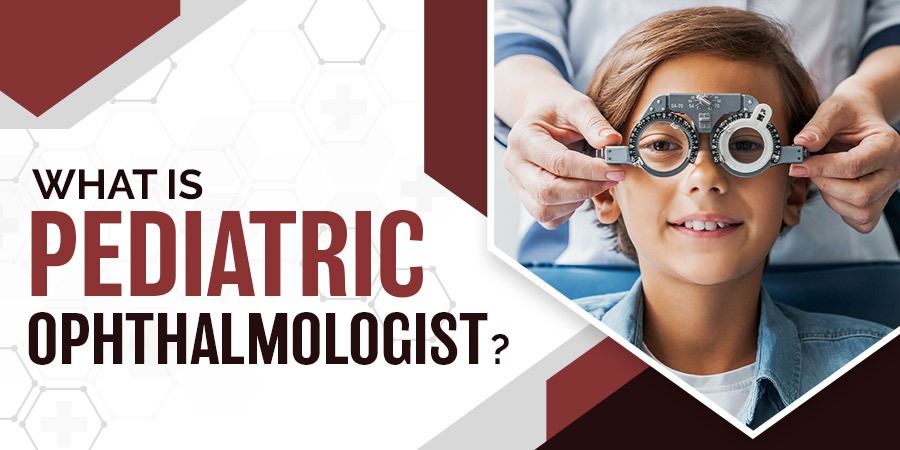
A pediatric ophthalmologist is a medical professional specializing in diagnosing and treating eye diseases and conditions affecting infants, children, and teenagers. This is the simplest answer to “what is pediatric ophthalmologist.” It’s an important one for parents.
A child’s eyes are still developing. Naturally, their vision and all associated needs are very different from those of adults. Eye problems that may seem minor in the beginning can affect learning, coordination, and long-term vision if they go untreated. Pediatric ophthalmologists receive advanced training to identify these issues early. That’s when treatment is usually most effective.
Early diagnosis plays a crucial role in protecting your child’s eyesight and supporting healthy visual development.
What is pediatric ophthalmologist? As we already said, it refers to a physician who has completed medical school, ophthalmology residency, and specialized training focused solely on the eye health of children.
An ophthalmologist pediatric knows how eye conditions manifest differently in children and how to examine young patients who may not be able to describe what they’re seeing.
Pediatric ophthalmologists treat eye conditions in:
They diagnose and cure both routine and complex eye disorders, adjusting care based on a child’s age, development, and ability to cooperate during exams.
Pediatric ophthalmologists diagnose and treat various childhood eye conditions, including:
Early treatment is the answer. Childhood eye conditions respond best when addressed during the brain’s visual development stage. This reduces the risk of lifelong vision problems.
As a parent, you may want to know whether you should see a pediatric ophthalmologist or a pediatric optometrist. Many parents have the same query. The difference between these two specialists comes down to training and scope of care.
For routine vision checks, an optometrist may be appropriate. For medical conditions, eye alignment issues, or surgical needs, a pediatric ophthalmologist is the right choice.
Pediatric ophthalmologists complete extensive education and training, including:
Many of these specialists also hold board certifications and receive ongoing training in pediatric eye care. This experience includes working with children of all ages and using child-friendly diagnostic tools designed to reduce discomfort and fear.
This specialized training builds trust, expertise, and confidence for families seeking high-quality care.
The conditions may include:
A child may be referred to a pediatric neuro ophthalmologist when vision problems are connected to developmental, neurological, or systemic conditions.
Parents should never ignore signs that may indicate a vision problem, such as:
Vision screenings usually begin in infancy and continue through adolescence. If a screening raises concerns, or if symptoms appear at any age, a pediatric ophthalmologist evaluation is recommended.
Access to local pediatric eye specialists is vital for parents. Choosing a pediatric ophthalmologist Los Angeles families can trust ensures easier follow-ups, coordinated care, and familiarity with community resources.
When choosing a provider, look for:
Local expertise builds confidence and supports continuity of care.
A pediatric eye exam is designed to be comfortable and non-threatening. Exams use painless, non-invasive tools and age-appropriate techniques.
Doctors focus on:
Parents should bring previous eye exam records, school screening results, and a list of concerns to the appointment.
Vision development and brain development are closely connected. There’s a limited window during childhood when vision problems can be corrected most effectively.
Without early care, some conditions may cause permanent vision loss. Early diagnosis supports:
What is pediatric ophthalmologist? We’ve already explained that. Understanding what they do helps parents make informed decisions about their child’s eye health. Pediatric eye care is essential, not optional.
Early consultation, accurate diagnosis, and specialized care can protect your child’s vision for life. Take the important step of scheduling an evaluation at Samaritana Medical Clinic.
A pediatric ophthalmologist is a medical doctor who diagnoses and treats eye conditions in children. These include vision problems, eye alignment issues, and congenital eye disorders.
A pediatric ophthalmologist is a physician who treats medical and surgical eye conditions. An optometrist focuses on vision exams, glasses, and basic eye care.
Parents should take their kids to a pediatric ophthalmologist if they show vision concerns, eye misalignment, learning difficulties, or fail a vision screening at any age.
A pediatric neuro ophthalmologist treats vision problems related to the brain or nervous system, including optic nerve disorders and eye movement issues.
Look for experienced pediatric specialists with strong reviews, hospital affiliations, child-friendly clinics, and a focus on comprehensive pediatric eye care.